
Friday, September 28, 2012
Characterization

Step outline
Trevor Fisher
Mr. Bigue
IB Film HL 3th
27 September 2012
Mr. Bigue
IB Film HL 3th
27 September 2012
Step Outline for untitled movie
| Scene | Dramatic intent |
| 1. Opening titles shown, gunshot heard 2. Character shown walking alone, voice-over tells thoughts 3. Parents introduced as character ignores them, tone of resentment audible 4. Character by himself in a semi forested location. Someone notices him and walks over to see if he is alright. 5. pair begin to hangout. 3 location shots of friends having good time laughing together, show calendar detailing all the time the duo spent together 6. One day the duo can’t hangout, character upset and angry 7. Second day in a row without hanging out, physical attack then character runs away 8. Character follows friend and listens to conversation of how he thinks the main character is weird and really clingy. Character shows extreme anger. 9. Character wakes up the next day, ignores his parents and walks to place he always sees his friend. When his friend arrives, character makes monologue before killing friend 10. Note found on friend detailing apology for what he said. Decides to leave society. | Brings up questions right away about what is happening, gives hint of killing. Shows loneliness and demonstrates his inner thoughts of a desire to be a more confident person. Character blames parents for never being around, shows loneliness Shows character’s first friend, loneliness begins to disperse. Character bond shown through enjoyment of time together. Character’s dependence on friend demonstrated. Anger begins to grow Shows the escalation of his desperation to see friend. Shows how much he depends on his friend. Details his fright at returning to loneliness, doesn’t want to lose friend. Shows what desperation makes our character do. Anger demonstrates his feelings of betrayal thinking friend doesn’t want him anymore because chose to be with other people rather than him. Shows determination to achieve a goal. Shows self justification and feelings of depression. Feels like the only way to make his friend understand how much he means to him is through killing him. Shows the character’s shock, demonstrates how he was quick to judge and didn’t give friend a chance to defend himself. Teaches message that you need to always listen to other side and not jump to conclusions before talking to this other side. |
Tuesday, September 18, 2012
Google Reader Article Response
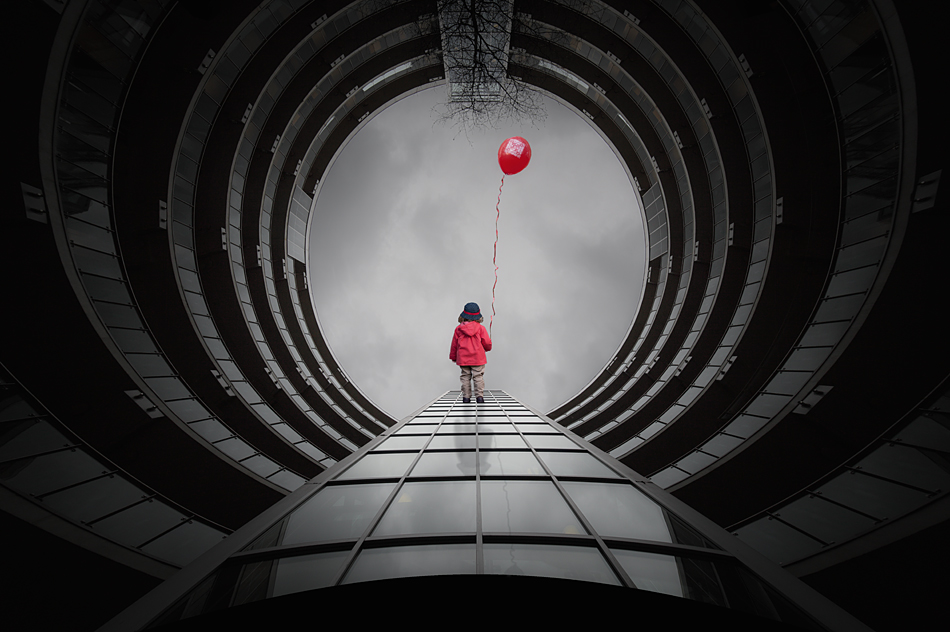
Chase Jarvis posted "Emerging Talent — The Surreal Imagery of Martin Marcisovsky," showing a scene that is mainly up to interpretation. I really enjoyed the fact that the image could be interpreted differently depending upon your individuality, and I thought it was a dark mood with a desolate future for a lonely child, but she would stand out in this gray future due to her bright colors and personality, as she will challenge social barriers and norms. The individual aspect is great, as a friend or complete stranger could have an entirely different perspective on the image you are both looking at, displaying individualism in society.
follow Chase Jarvis here!
"When you find me" film review


 The goal is shown here as traveling in a spaceship to try and discover heaven. The exact location is not known, but it is surprising to find Lizel's mother there, welcoming and beckoning her to go and find her. Trying to contact the mother becomes the main goal of Lizel.
This scene has a depressing mood, as it shows the cemetery where the sisters' mother is buried. Lizel's sister is crying, while Lizel is determined to find her mother. The tombstones give a solemn mood, and the darkness gives an ominous mood that adds to an overall tone of depression.


This scene demonstrates the unknown as the sister had found her 'spaceship' but didn't know how to work it. She feels she needs to figure how to operate this machine so that she can find her mother and talk to her one final time. As an audience, we do not know what to expect and are unsure if she will be able to pilot this vehicle.
This scene explains the relationship between Lizel and her sister, showing how much it has diminished since their mom had died. They don't seem to talk very much and seem to be very disconnected from each other. Lizel's sister appears to be in disarray and still doesn't quite have her life in order, and she still seems to be mad at Lizel for preventing her from being able to say goodbye to her mom.


Tuesday, September 4, 2012
10 Themes of Storytelling
When discussing the artistry behind film and/or photography, there are considered to be 10 major themes associated with them: mood, goal, backstory, character, obstacle, relationship, setting, the unknown, time
 Mood: conveys atmosphere, feelings or tone
This picture demonstrates a mood that is ominous and senses the danger to come. The color temperature leans towards the blue, cooler side of the spectrum and the shot is in deep focus. The most vibrant bolt of lightning is set off center at the lower right intersection point, while the tornado dominates the left half of the frame. The shot is angled upward to look at the storm and make it seem as a dangerous and superior force.
 Goal: whatever the character is pursuing
 Backstory: a history that promotes fuller understanding of the narrative.
This image is one that demonstrates a sense of hope as a flower is emerging in a field of ice, showing the will to survive. The flower bud is located at the middle to upper half of the frame, while the rest of the flower is in the middle to bottom half of the frame, making sure to have the important points at the intersection points. The lens type cannot be determined for sure, but is most likely a wide angle lens as the shot is in deep focus. The foreground is composed entirely of the flower, while the mid and backgrounds are the cold encasing ice. The camera is looking down to view the flower, showing the insignificance of just one flower, but also inspiring hope that one day there will be more flowers that arise from the extreme cold of the ice and survive.
 Character: can be anyone or anything
This shot is composed of a white horse running through an open field. The shot has the eyes of the horse aligned wonderfully along the upper right intersection point and the horse in general seems off centered. The shot does not however give a lot of noseroom or leadroom so it is difficult to determine where the horse is headed. The lens is most likely a narrow lens as in the foreground the horse is in clear focus while the background of the trees is slightly out of focus creating a shallow focus. This white horse is a symbol of purity as demonstrated by his white coat and mane.
 Obstacle: anyone or anything in the character's way
This shot is composed of tornadoes lined up in a row along the horizon, demonstrating an ominous future for any in its path. There is a graphic vector that protrudes from the bottom left corner to the middle of the right side of the frame. For this shot, a wide angle lens is used to maintain the deep focus over a large expanse of land. The majority of the tornadoes are located in the left side of the frame, with the bottom most points of a majority of the tornadoes located around the bottom left intersection point. The camera is in a neutral position in relation to the object, suggesting that although the power of the tornadoes is noted, there is also a feeling that the character would be able to stick it out and survive through the obstacle.
 Relationship: a relationship between anyone and anything
This is a heartwarming image of a man (assumed to be the father) holding a baby in his arms, demonstrating the strong bond that the two share. This shot could have been taken using either a narrow or wide lens as the shot is in deep focus, with the foreground being the baby and the background the chest of the man. The baby's eyes are located at around the upper right intersection point, and the head is slightly off centered towards the right. The camera is in a neutral position as it is highlighting the possible fragility of a young life, and demonstrates its need for protection.

Setting: any location or environment
This shot shows the barren landscape of the barren savannah, highlighted by the graphic vector of the ground and the wide open expanse behind it that reveals nothing but open space. This shot was taken using a wide angle lens, and is in deep focus. The tree is mainly in the lower and middle left areas of the frame, with the rocks going across the lower middle area of the frame. The majority of the shot is open space and sky, demonstrating limitless possibilities for the future of the character.

the Unknown: can be anything unexpected, a twist
This shot is of a busy street and is taken in some sort of tower at a high angle looking down upon everything else, making them seem insignificant, The shot has a nice use of rack focus where the foreground of the fence is blurred, but the street and buildings are in focus. There are graphic vectors aplenty due to the fence that act as their own points of intersection in the frame.
 Time: represents a day or time in history
This shot is interesting because it shows the reflection of the sky over a graphic vector the cuts the shot in half and separates reality from reflection. This was taken with a wide angle lens and is in deep focus. The focus of the shot is unclear, but I think it is the bottom half which shows the reflection. The photographer is trying to grab the attention of the viewer and show the divide between reality and fiction, and show that time can change everything, with the reflection in the foreground, the divider in the midground, and the real sky in the background.
Mood: conveys atmosphere, feelings or toneThis picture demonstrates a mood that is ominous and senses the danger to come. The color temperature leans towards the blue, cooler side of the spectrum and the shot is in deep focus. The most vibrant bolt of lightning is set off center at the lower right intersection point, while the tornado dominates the left half of the frame. The shot is angled upward to look at the storm and make it seem as a dangerous and superior force.
Goal: whatever the character is pursuing
This image demonstrates the butterfly, as it has reached maturity and completed its goal of being able to fly. This is a narrow focus lens, as is demonstrated by the extremely shallow focus, with the background completely blurred out. There is a slight graphic vector along the flowers that has a downward lateral direction. The butterfly itself is centered at the upper right intersection point and dominates a majority of the upper half of the frame. The shot is at a neutral level showing equality between the viewer and the butterfly, suggesting that the viewer can also achieve his/her goals if they try hard enough and give enough effort.
Backstory: a history that promotes fuller understanding of the narrative.This image is one that demonstrates a sense of hope as a flower is emerging in a field of ice, showing the will to survive. The flower bud is located at the middle to upper half of the frame, while the rest of the flower is in the middle to bottom half of the frame, making sure to have the important points at the intersection points. The lens type cannot be determined for sure, but is most likely a wide angle lens as the shot is in deep focus. The foreground is composed entirely of the flower, while the mid and backgrounds are the cold encasing ice. The camera is looking down to view the flower, showing the insignificance of just one flower, but also inspiring hope that one day there will be more flowers that arise from the extreme cold of the ice and survive.
Character: can be anyone or anythingThis shot is composed of a white horse running through an open field. The shot has the eyes of the horse aligned wonderfully along the upper right intersection point and the horse in general seems off centered. The shot does not however give a lot of noseroom or leadroom so it is difficult to determine where the horse is headed. The lens is most likely a narrow lens as in the foreground the horse is in clear focus while the background of the trees is slightly out of focus creating a shallow focus. This white horse is a symbol of purity as demonstrated by his white coat and mane.
Obstacle: anyone or anything in the character's wayThis shot is composed of tornadoes lined up in a row along the horizon, demonstrating an ominous future for any in its path. There is a graphic vector that protrudes from the bottom left corner to the middle of the right side of the frame. For this shot, a wide angle lens is used to maintain the deep focus over a large expanse of land. The majority of the tornadoes are located in the left side of the frame, with the bottom most points of a majority of the tornadoes located around the bottom left intersection point. The camera is in a neutral position in relation to the object, suggesting that although the power of the tornadoes is noted, there is also a feeling that the character would be able to stick it out and survive through the obstacle.
Relationship: a relationship between anyone and anythingThis is a heartwarming image of a man (assumed to be the father) holding a baby in his arms, demonstrating the strong bond that the two share. This shot could have been taken using either a narrow or wide lens as the shot is in deep focus, with the foreground being the baby and the background the chest of the man. The baby's eyes are located at around the upper right intersection point, and the head is slightly off centered towards the right. The camera is in a neutral position as it is highlighting the possible fragility of a young life, and demonstrates its need for protection.
Setting: any location or environment
This shot shows the barren landscape of the barren savannah, highlighted by the graphic vector of the ground and the wide open expanse behind it that reveals nothing but open space. This shot was taken using a wide angle lens, and is in deep focus. The tree is mainly in the lower and middle left areas of the frame, with the rocks going across the lower middle area of the frame. The majority of the shot is open space and sky, demonstrating limitless possibilities for the future of the character.
the Unknown: can be anything unexpected, a twist
This shot is of a busy street and is taken in some sort of tower at a high angle looking down upon everything else, making them seem insignificant, The shot has a nice use of rack focus where the foreground of the fence is blurred, but the street and buildings are in focus. There are graphic vectors aplenty due to the fence that act as their own points of intersection in the frame.
This shot is interesting because it shows the reflection of the sky over a graphic vector the cuts the shot in half and separates reality from reflection. This was taken with a wide angle lens and is in deep focus. The focus of the shot is unclear, but I think it is the bottom half which shows the reflection. The photographer is trying to grab the attention of the viewer and show the divide between reality and fiction, and show that time can change everything, with the reflection in the foreground, the divider in the midground, and the real sky in the background.
Subscribe to:
Comments (Atom)